ECOPLY
BUILDING LIVES WHILE
SAVING MOTHER EARTH.
About Us

ECOPLY
Ecoply Manufacturing Company is formed by 8 partners who wants to make a difference in fighting environmental pollution. The company is located at Bacolod City, Negros Occidental Philippines, the city of smiles and the city of vast sugarcane production. The company applies a business-to-business approach to hardware shops located at Bacolod City
Mission
With the passion of stewardship, Ecoply commits itself to preserve the environment by producing quality environmental-friendly wood panels to promote responsibility, integrity of creation and sustainability. Ecoply will produce wood panels made of bagasse to help eradicate deforestation while helping the Filipino community in building homes
Vission
To be the pioneer in bagasse plyboard making and to be the company, which give top priority to the customers' satisfaction and environmental welfare, by providing innovative, sustainable and environmental-friendly products as a first choice of our customer in the Philippines.
Products
Product Description
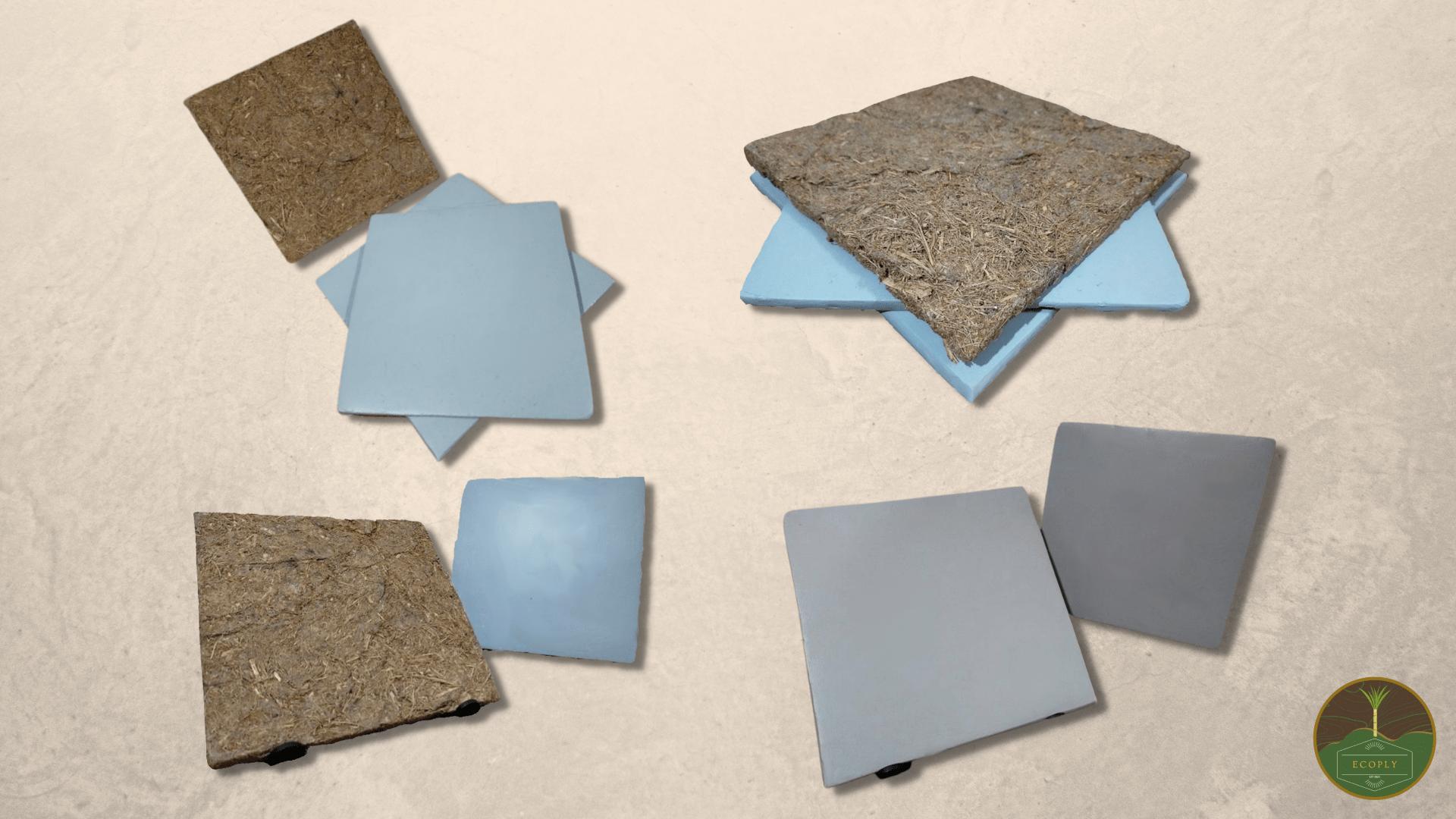
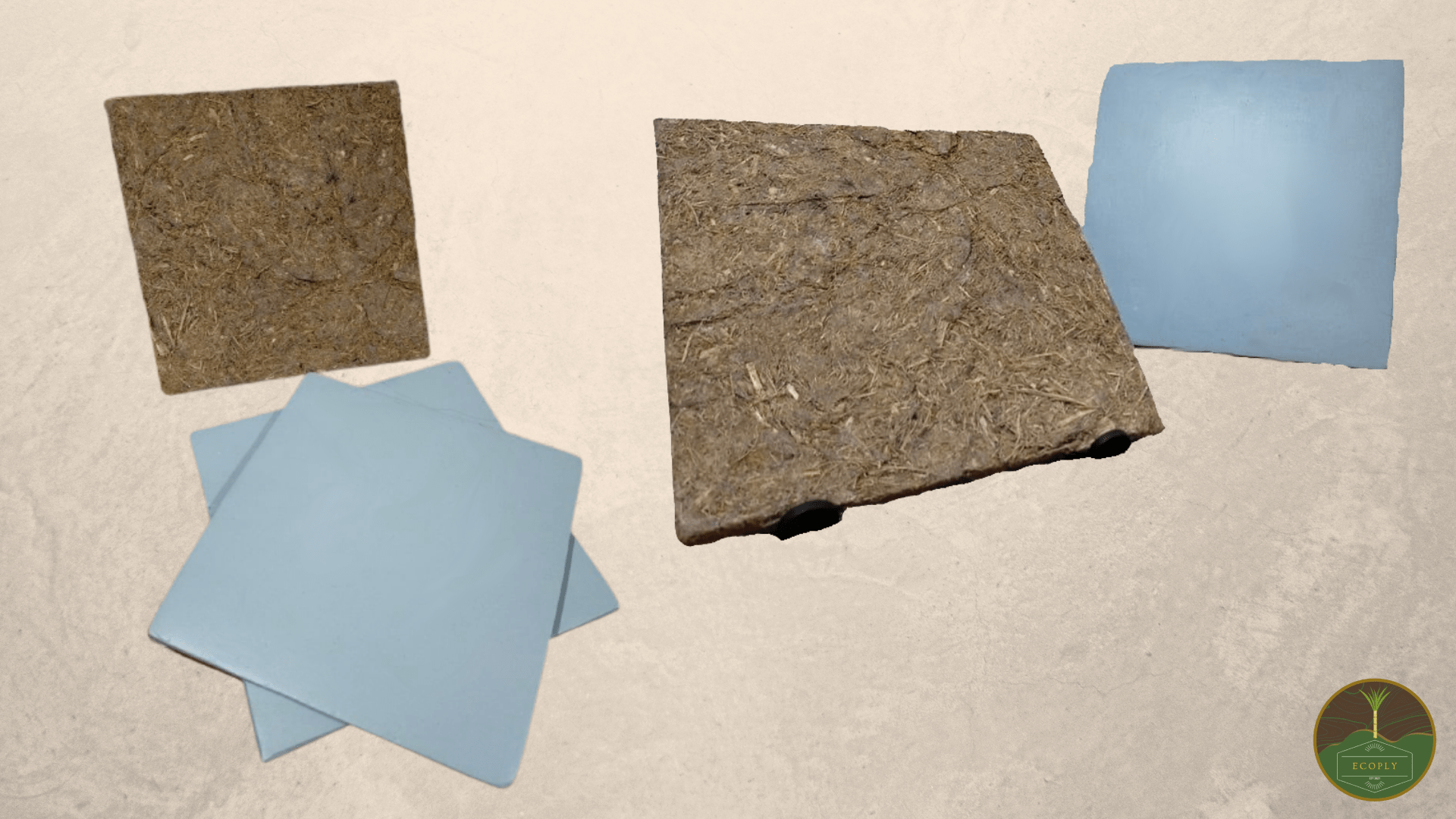
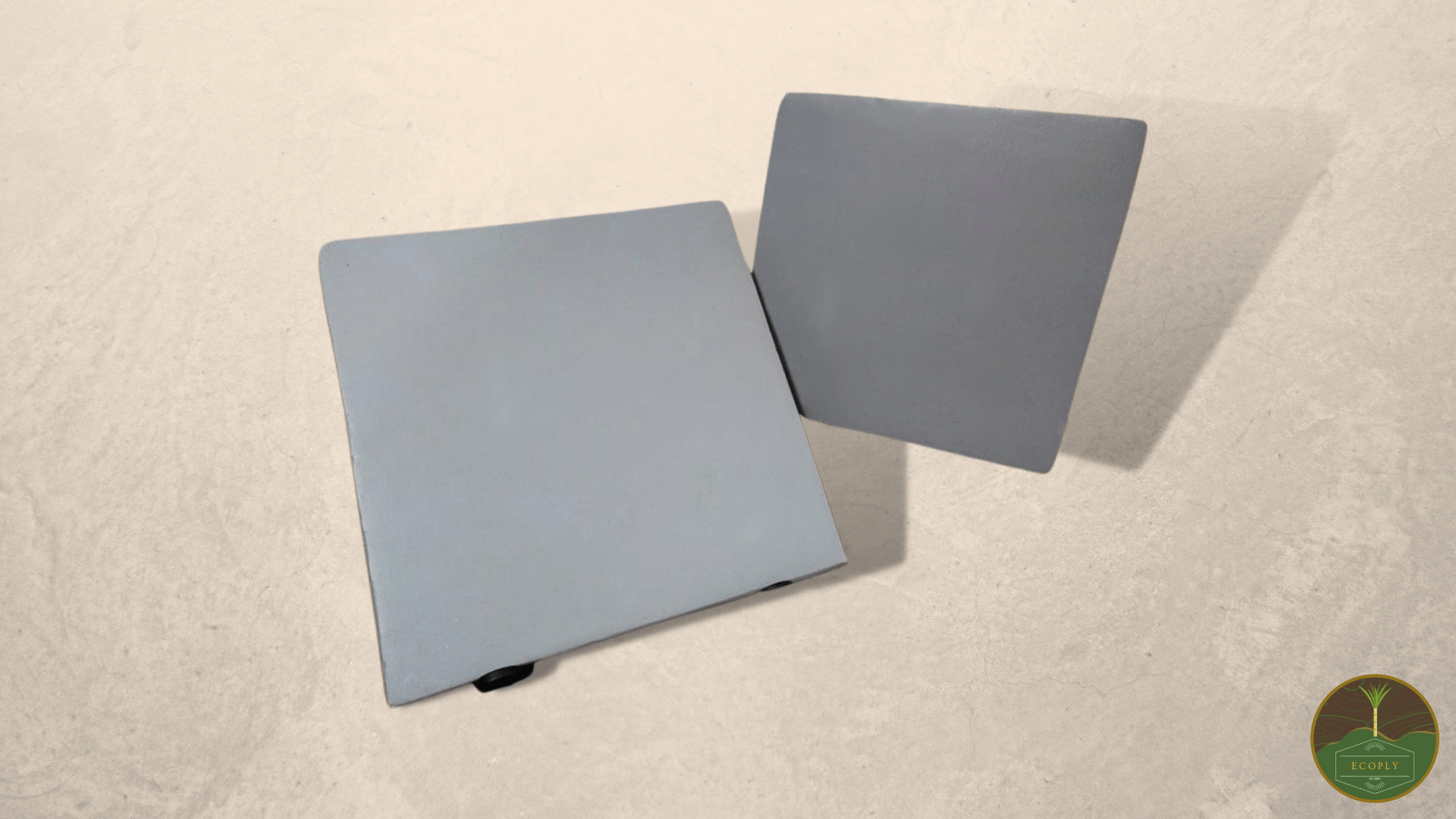
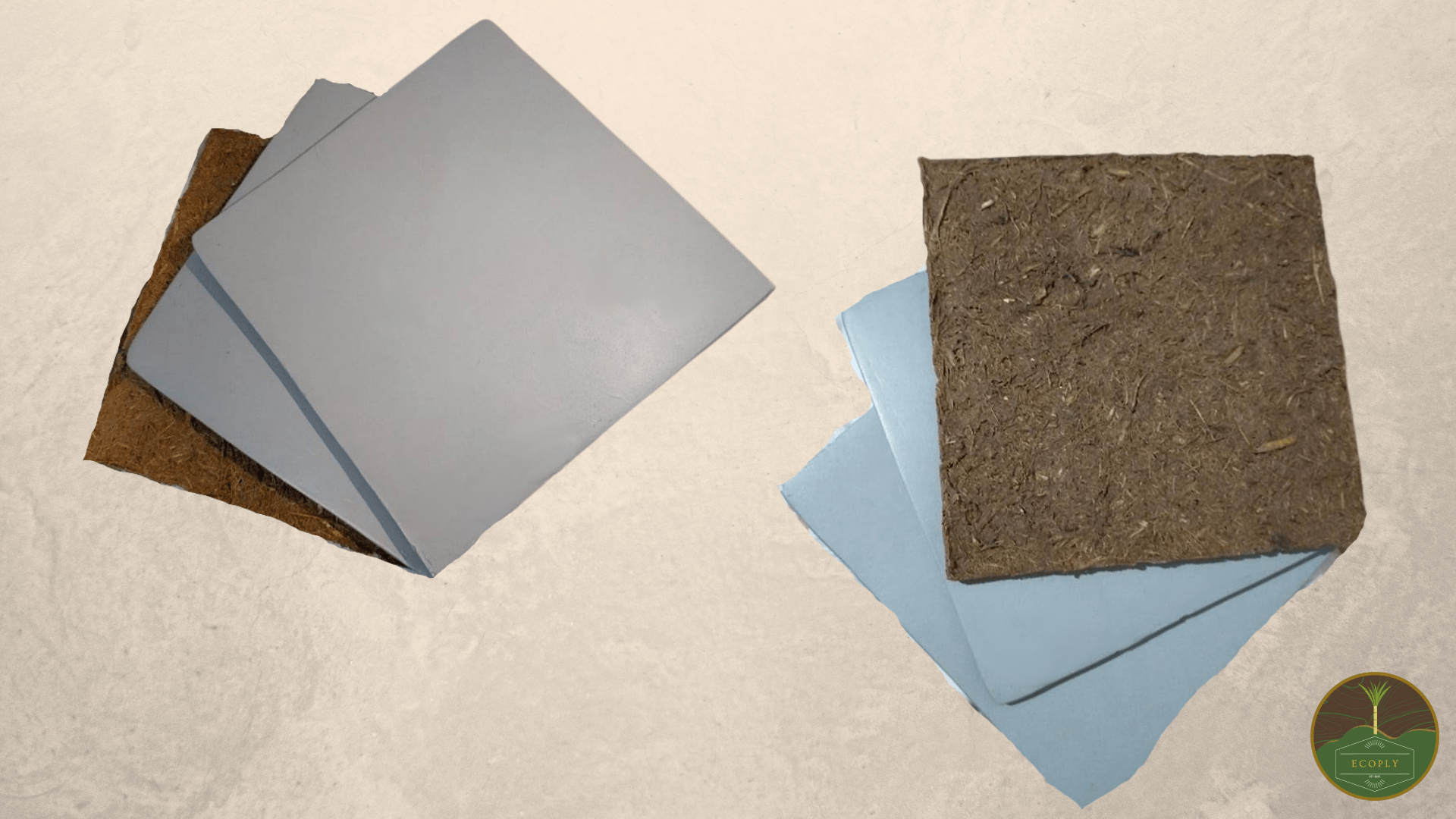
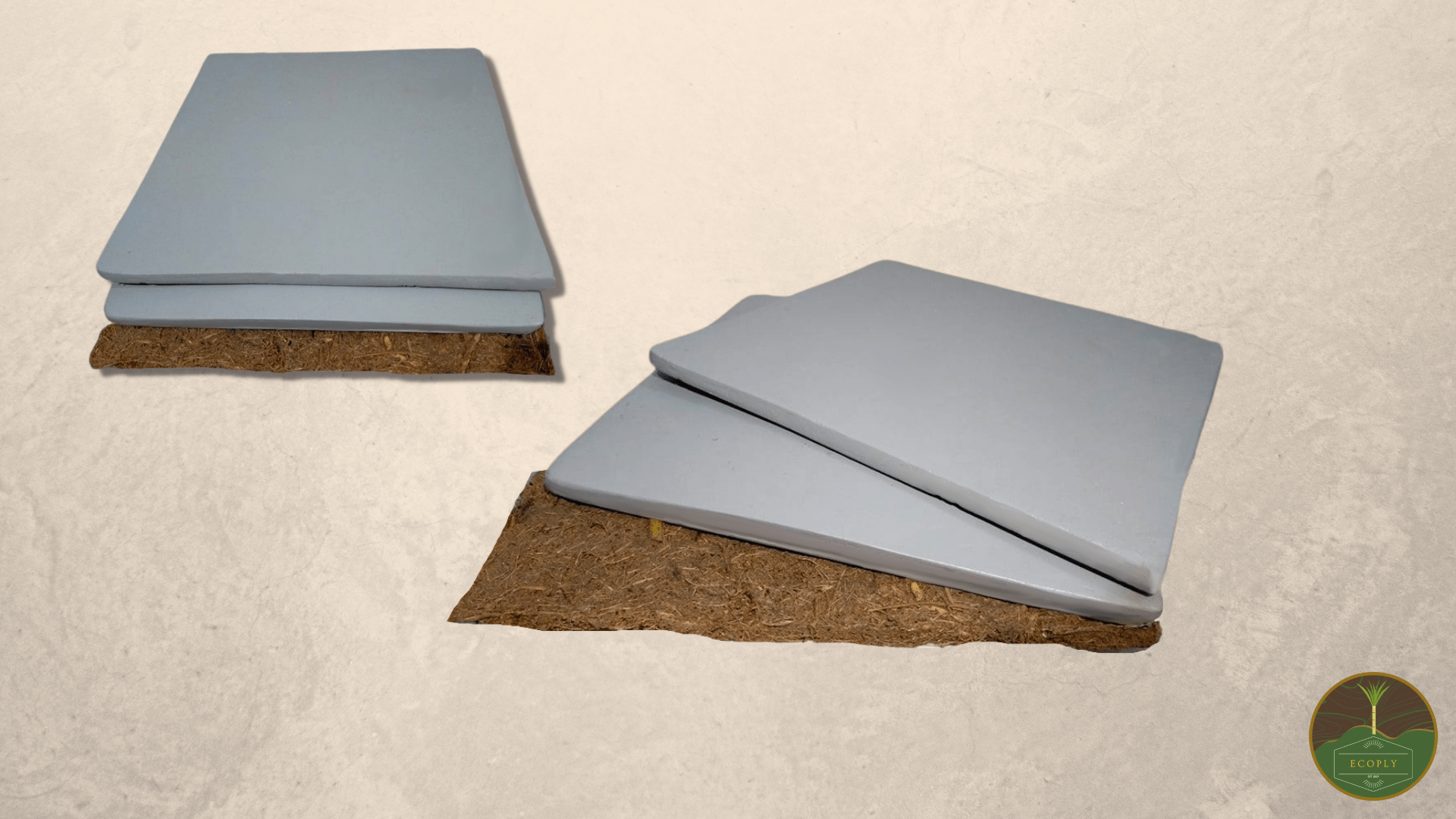
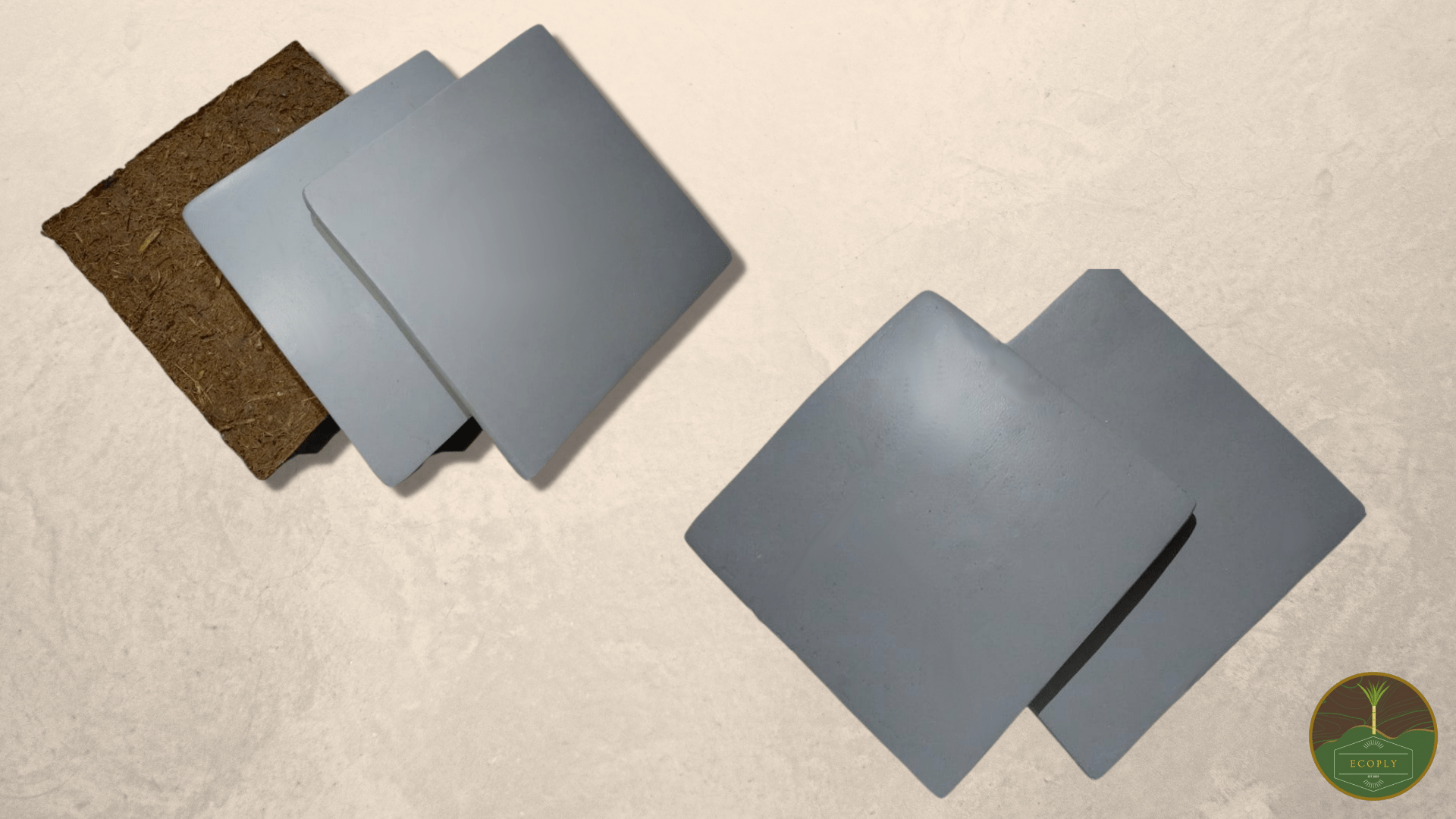
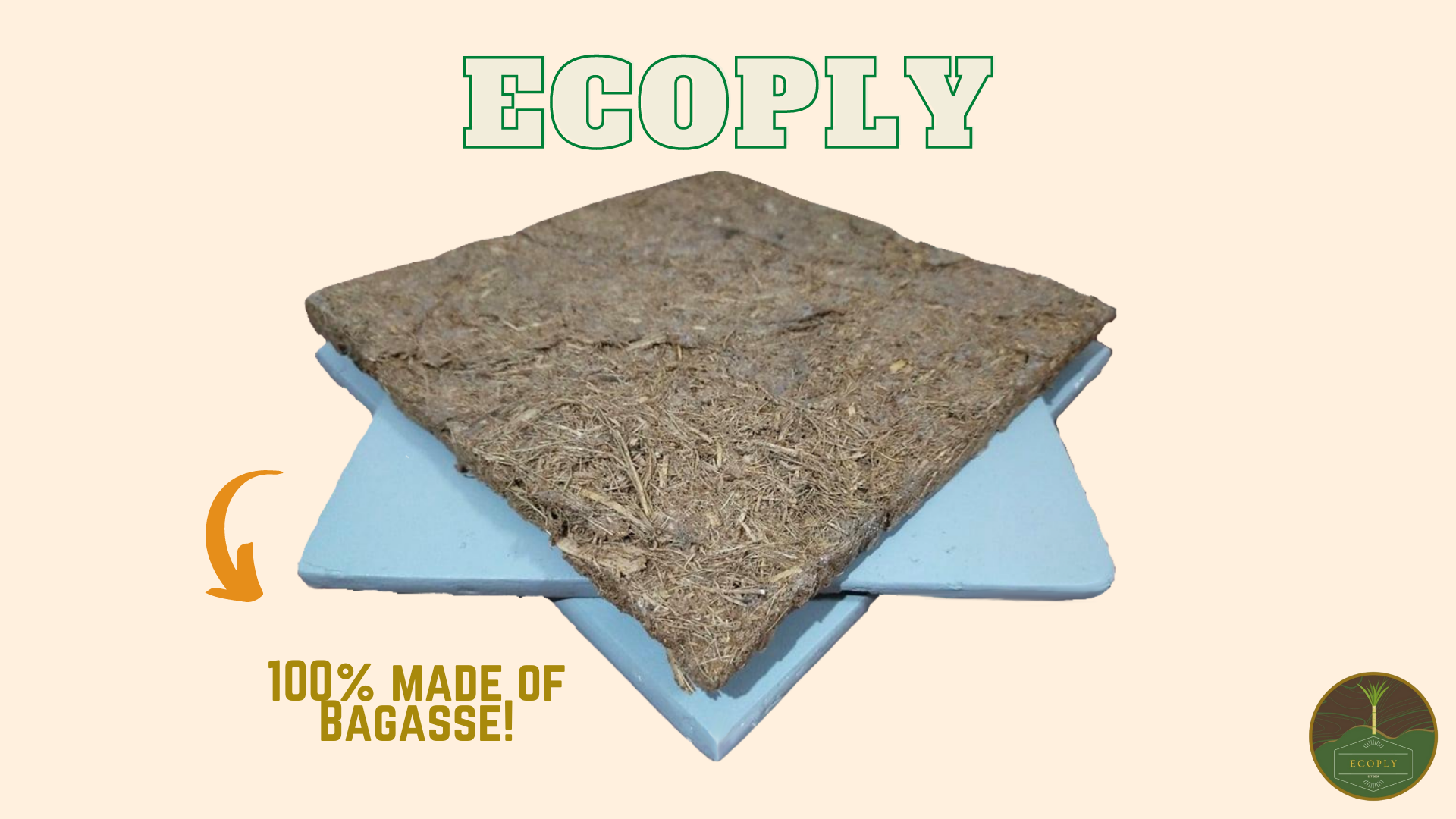
Ecoply is made of 100% of Bagasse. Bagasse is the waste material of sugarcane after being processed into sugar and are commonly left on the streets of Bacolod City or burned, which contributes to air pollution. The ecoply board is made of wood glue, water, borral powder, marine epoxy and bagasse mixed altogether. The beneficial features of Ecoply as a 8ft. x 4ft. multipurpose plyboard are it is fire-retardant, which means it would take a long while for it to fully combust. It is moisture-resistant and can withstand a significant amount of rain and moisture from the humid and rainy weather in the Philippines. It is as sturdy as regular drywalls and can withstand time which means it is expected to last for years when used. In terms of durability, Ecoply was tested by running over with an SUV, and the board remained intact. Ecoply can also be used for soundproofing for homes and buildings because of its thickness that help minimize vibrations as well partition walls for rooms, offices and for areas with light foot traffic. With its economic value, Ecoply is best used for low-cost housing which is common most especially in the provinces because of the country’s growing population.